

What is the difference between a landing door sill and a regular door sill?
Sep 11, 2026
Leave a message
Hey there! As a supplier of landing door sills, I often get asked about the difference between a landing door sill and a regular door sill. It's a great question, and I'm here to break it down for you in plain and simple terms.
Let's start with the basics. A regular door sill is something you're probably familiar with. You see them in homes, offices, and all sorts of buildings. They're the strip of material at the bottom of a door frame. Their main job is to keep out things like dirt, water, and drafts. They also provide a bit of support for the door and help it close properly.
On the other hand, a landing door sill is specifically designed for elevators. It's located at the entrance of an elevator shaft on each floor. It has a much more critical role compared to a regular door sill.
Function Differences
One of the biggest differences is in their functions. A regular door sill is mainly about keeping the interior clean and comfortable. It's like a little barrier that stops the outside world from sneaking in. For example, in a house, it can prevent rainwater from seeping in during a storm or keep dust from blowing in on a windy day.
But a landing door sill for elevators has to do a lot more. First of all, it has to ensure a smooth transition between the elevator car and the floor. When the elevator arrives at a floor, passengers need to be able to step in and out easily. The landing door sill helps to bridge the gap between the Elevator Car Platform and the floor, making sure there are no tripping hazards.
It also plays a crucial role in the safety of the elevator system. The landing door sill has to be able to withstand the constant traffic of people getting in and out of the elevator. It needs to be strong enough to support the weight of passengers, luggage, and sometimes even heavy equipment. If the landing door sill is damaged or not properly installed, it can lead to serious safety issues, such as people tripping and falling or the elevator doors not closing correctly.
Design and Construction
The design and construction of landing door sills and regular door sills are also quite different. Regular door sills are usually made of materials like wood, metal, or plastic. They're designed to match the style of the door and the overall decor of the building. For example, in a traditional wooden door, you might have a wooden sill that adds a touch of warmth and elegance.
Landing door sills, on the other hand, are typically made of more durable materials like stainless steel or aluminum. These materials can withstand the wear and tear of daily elevator use. They're also designed to be easy to clean and maintain. Since elevators are used by a large number of people, the landing door sill can get dirty quickly. A material that can be easily wiped down and kept clean is essential.
In terms of design, landing door sills often have special features to ensure proper alignment with the elevator doors. They may have grooves or tracks that help the elevator doors slide smoothly. This is important for the efficient operation of the elevator. If the doors don't slide properly, it can cause delays and even mechanical problems.
Installation and Maintenance
Installing a regular door sill is usually a relatively simple process. It can often be done by a homeowner or a handyman. You just need to measure the opening, cut the sill to size, and secure it in place. Maintenance is also pretty straightforward. You might need to clean it occasionally and check for any signs of wear and tear.

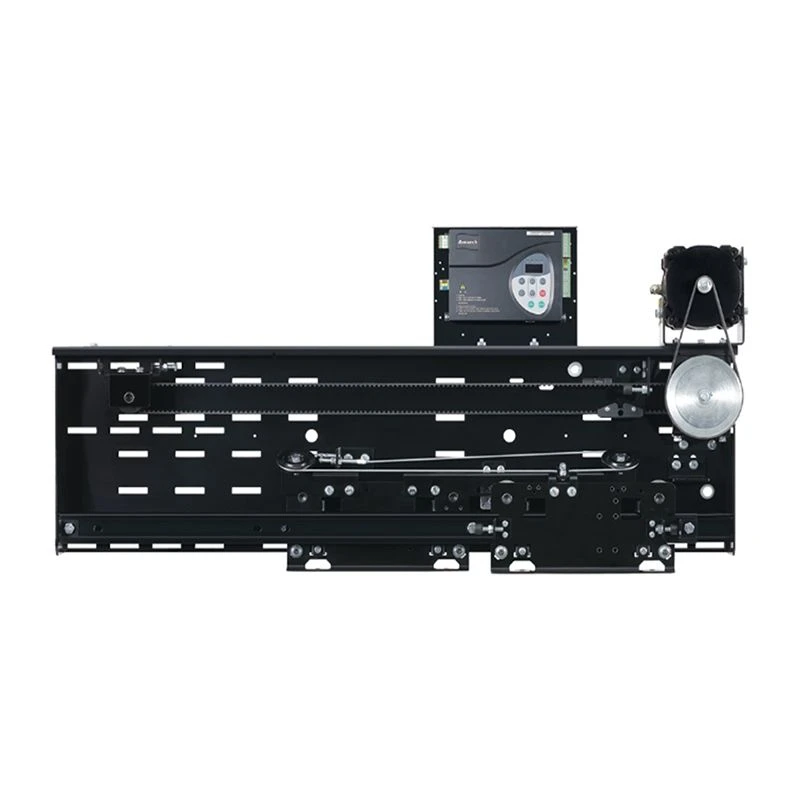
Installing a landing door sill, however, is a much more complex process. It requires specialized knowledge and skills. The sill has to be installed precisely to ensure proper alignment with the elevator doors and the elevator car. Any misalignment can cause problems with the elevator's operation.
Maintenance of landing door sills is also more involved. They need to be inspected regularly for signs of damage, such as cracks or wear. If there are any issues, they need to be repaired or replaced immediately to ensure the safety and efficiency of the elevator.
Compatibility with Other Elevator Components
Another important difference is the compatibility with other elevator components. A landing door sill needs to work seamlessly with the Elevator Door Motors and the Elevator Car Doors. The design of the sill has to allow for the smooth opening and closing of the doors. If the sill is not compatible with the door motors or the car doors, it can lead to malfunctions and safety hazards.
Regular door sills, on the other hand, don't have to worry about this level of compatibility. They're mainly focused on the door they're attached to and the environment they're in.
Cost
Cost is also a factor when comparing landing door sills and regular door sills. Regular door sills are generally much cheaper. You can find a basic wooden door sill for a few dollars, while a high - end wooden or metal sill might cost a bit more.
Landing door sills, due to their specialized design, high - quality materials, and the complexity of installation, are significantly more expensive. The cost includes not only the price of the sill itself but also the cost of installation and any necessary maintenance over time.
Why Choose Our Landing Door Sills
As a supplier of landing door sills, I can tell you that our products are top - notch. We use the highest quality materials to ensure durability and safety. Our landing door sills are designed to be compatible with a wide range of elevator models and components. We also offer professional installation services to make sure everything is set up correctly.
If you're in the market for landing door sills, whether you're building a new elevator system or replacing old sills, I encourage you to get in touch with us. We can provide you with more information, answer any questions you might have, and give you a quote. Our team of experts is ready to help you find the perfect landing door sill for your needs.
So, there you have it! The main differences between a landing door sill and a regular door sill. I hope this blog post has been helpful in understanding these two types of door sills. If you have any further questions, feel free to reach out.
References
- General knowledge about door sills from industry experience
- Elevator industry standards and regulations